
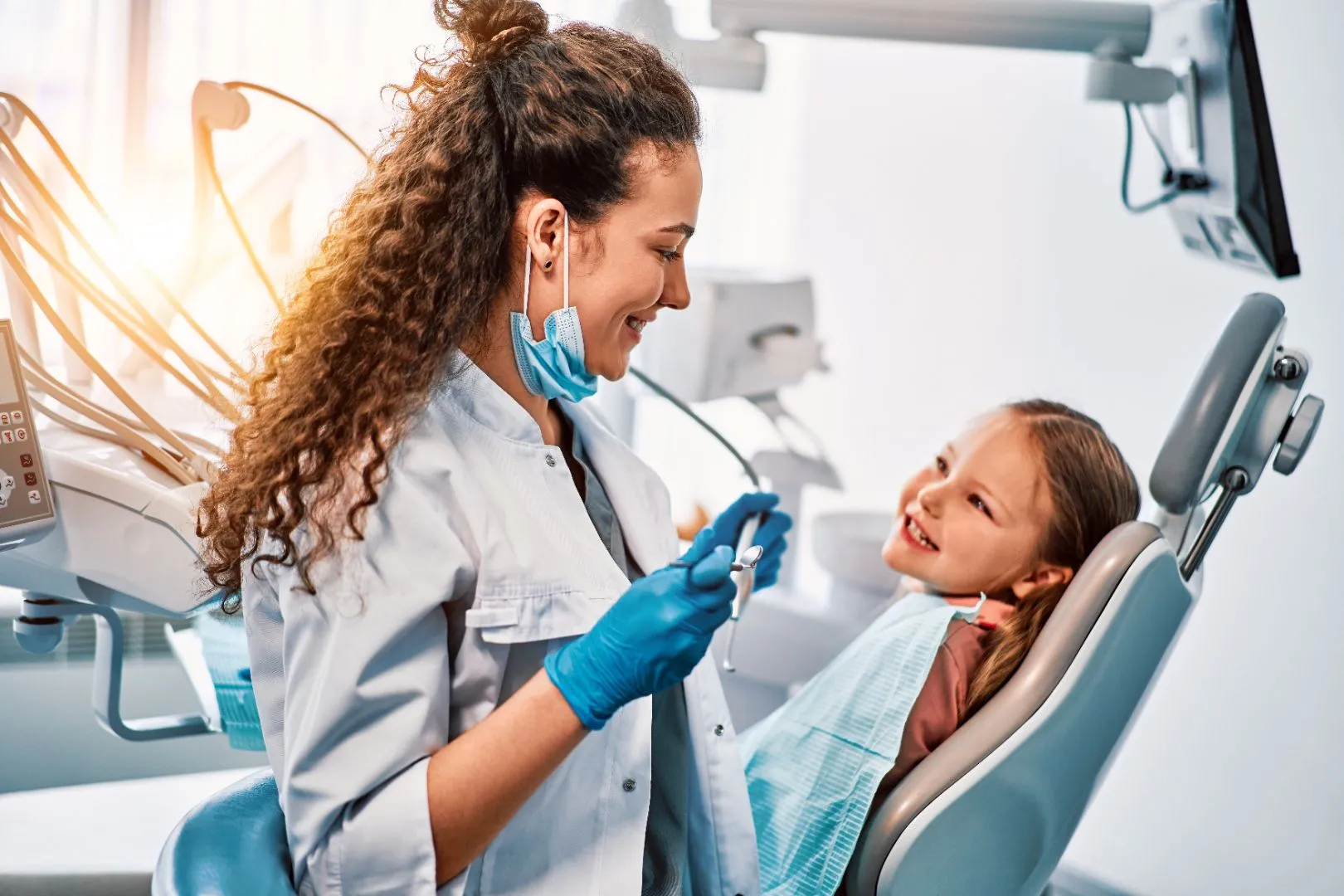
Orthodontic Treatment Timeline for Kids
Getting braces is a big deal for kids and families alike. "How long will this take?" is one of the first questions parents ask, and it's a fair one. Most children wear braces for 12 to 36 months, with 18 to 24 months being the norm for many cases. Your child's timeline depends on several factors that shape their individual care plan, and a board-certified orthodontist can give you a realistic estimate after a thorough evaluation.
The duration varies based on the type and extent of the orthodontic condition being corrected. A child with mild crowding will finish faster than one with a complex bite requiring significant repositioning. Early intervention, sometimes called Phase 1 care, can start as young as age 6 to 7 and runs about 6 to 12 months. Phase 2 care during adolescence takes 12 to 24 months in most cases. No two kids follow the same timeline, and results depend on their growth patterns, the appliances used, and how well they follow their orthodontist's instructions. The orthodontists at Smile Power Orthodontics walk families through each of these variables during the initial consult so there are no surprises along the way.
How the Orthodontic Care Process Works: A Step-by-Step Timeline
Understanding what happens at each stage helps families plan ahead and know what to expect. Here's how the process unfolds:
- Initial consult and diagnostic imaging. Your child's first visit includes X-rays, photos, and a thorough exam to assess tooth alignment and jaw growth. Plan on about an hour. This gives your orthodontist everything needed to build a custom care plan.
- Custom care plan selection. Based on diagnostic findings, your orthodontist will recommend the best approach, whether that's traditional metal braces, clear aligners like Invisalign, palatal expanders, or a phased strategy. You'll discuss the expected timeline and what each option involves.
- Appliance placement day. Bonding braces takes 1 to 2 hours. Clear aligner fittings are shorter. Either way, your child will learn how to care for their appliances and what foods to avoid.
- Regular adjustment visits. Every 4 to 8 weeks throughout active care, your child will come in for adjustments. These visits are quick (15 to 30 minutes) and keep everything moving in the right direction. Pro tip: scheduling these on the same day each month makes it easier to stay consistent.
- Appliance removal and retainer phase. The exciting day finally arrives when braces come off! But care doesn't end there. Retainers keep teeth in their new positions and are essential for long-term stability. Your orthodontist will walk you through the retainer schedule before removal day so your family knows exactly what comes next.
Why Starting Orthodontic Care at the Right Time Matters
Starting orthodontic care at the right age can shorten overall time in braces, prevent more invasive procedures later, and support better oral health during childhood. Well-timed care also takes advantage of natural growth patterns, which means the orthodontist can work with your child's development rather than against it. Here are the specific ways that well-timed care pays off for kids and families.
Guided Jaw Growth Can Reduce Time in Braces
When care begins during active growth phases, orthodontists can influence how the jaw develops. This can cut down total time in braces later and sometimes eliminate the need for more involved interventions down the road.
Catching Bite Issues Early Prevents Bigger Concerns
Correcting bite conditions in childhood often prevents more invasive procedures as an adult, including jaw surgery in some cases. The results tend to be more stable over time when these concerns are addressed while they're still easier to correct.
Straighter Teeth, Better Oral Health
Properly aligned teeth are easier to brush and floss effectively, which reduces your child's risk of cavities and gum disease both during care and for years to come. Parents often notice their kids have an easier time keeping up with hygiene routines once crowding is resolved.
The Confidence Factor
A straighter smile during formative school years can make a meaningful difference in how kids feel about themselves socially and academically. Many parents report that their child's self-esteem gets a noticeable boost once results start showing. Some orthodontic conditions may also affect breathing and sleep quality, which has a ripple effect on focus, energy, and overall well-being.
Orthodontic Care Options Compared: Braces vs. Invisalign vs. Two-Phase
The three main orthodontic care options for kids are traditional metal braces, clear aligners like Invisalign First, and two-phase care. Each differs in duration, visibility, and ideal use case. Here's how they compare:
| Care Type | Typical Duration | Best For | Key Considerations |
|---|---|---|---|
| Traditional Metal Braces | 18-24 months | Complex cases, significant bite conditions | Most versatile option, visible but effective |
| Clear Self-Ligating Braces | 18-24 months | Moderate to complex cases | Less visible, can require fewer adjustments |
| Invisalign First / Clear Aligners | 12-18 months | Mild to moderate conditions | Removable, requires excellent compliance |
| Two-Phase Care | Phase 1: 6-12 months + Phase 2: 12-24 months | Early intervention needs | Rest period between phases, addresses growth |
Traditional metal braces remain the go-to choice for complex orthodontic conditions because they give orthodontists precise control over tooth movement. Clear aligners like Invisalign First offer a less visible option for mild to moderate alignment conditions, though success depends heavily on wearing them as directed. Two-phase care spreads active time across two growth stages with a rest period in between. Palatal expanders add 3 to 6 months but can shorten overall braces time by creating space before alignment begins. Smile Power Orthodontics offers all of these options and helps families choose the right fit during the initial consult.
Factors That Affect How Long Orthodontic Care Takes for Kids
Several variables influence your child's specific timeline. Understanding these helps set realistic expectations from the start.
The Extent of the Condition Is the Biggest Factor
This is the primary driver of how long care takes. Minor crowding resolves faster than a severe overbite or underbite requiring significant jaw repositioning. During the consult, your orthodontist will explain where your child's case falls on the spectrum and what that means for timing.
Age and Growth Stage
Younger patients still experiencing jaw growth often benefit from guided development, which can simplify later care. Adolescents tend to respond well because of active growth. The key is matching the right approach to the right developmental window, and a board-certified orthodontist can pinpoint that window with diagnostic imaging.
Patient Compliance Makes a Real Difference
This factor is within your family's control. Wearing rubber bands as directed, keeping visits, and maintaining good oral hygiene all help care stay on track. Poor compliance can add months to the timeline, so consistency really counts.
Appliance Type and Additional Procedures
Some systems move teeth more efficiently than others for certain conditions. Your orthodontist will recommend the option that balances effectiveness with your child's lifestyle. Extractions, supplemental appliances, or the need for oral surgery can also extend timelines. These decisions are made to achieve the best possible long-term result, and your orthodontist will explain the reasoning behind each recommendation.
Our orthodontists at Smile Power Orthodontics in Walnut Creek take time to explain how each factor applies to your child's specific situation during the consult, so you leave with a clear picture of what to expect.
When Should Your Child Start Orthodontic Care?
The American Association of Orthodontists recommends that every child have an orthodontic evaluation by age 7. Most children don't start active care that early, but this initial check lets a board-certified orthodontist identify potential concerns, establish a baseline, and monitor development over time so your family can plan ahead.
Early evaluation triggers
Some concerns warrant assessment even before age 7:
- Mouth breathing or snoring
- Difficulty chewing or biting
- Crowded, misplaced, or blocked teeth
- Jaws that shift or make sounds
- Prolonged thumb sucking or pacifier use
- Early or late loss of baby teeth
When care begins for most kids
Ages 9 to 14 is the sweet spot, when enough permanent teeth have erupted but growth is still occurring. This window allows for the most efficient care possible.
Why early consults matter
Even if care isn't needed right away, an early evaluation gives your orthodontist a head start on planning. At Smile Power Orthodontics, early evaluations are complimentary and give families a clear picture of what lies ahead.
Frequently Asked Questions About Kids' Orthodontic Care Duration
Can my child get braces off faster?
In some cases, yes. Excellent compliance with rubber bands, appliance wear, and oral hygiene can help care progress efficiently. Some practices also offer accelerated options that can reduce duration. Ask your orthodontist at Smile Power Orthodontics what's realistic for your child's specific situation.
Do braces take longer than Invisalign for kids?
Not necessarily. Duration depends more on the complexity of the case than the type of appliance. Braces work faster for complex conditions, while aligners can be equally efficient for appropriate cases. Your orthodontist will recommend the option that achieves the best results in a reasonable timeframe.
What happens if my child doesn't wear their rubber bands?
Inconsistent rubber band wear can extend care by several months. Elastics do important work in correcting bite alignment that braces alone cannot accomplish. Consistent wear, even when it feels tedious, keeps everything on schedule.
How long does the retainer phase last?
Most orthodontists recommend full-time retainer wear for at least 12 months after braces come off. After that, nightly wear is the standard recommendation long-term to maintain results.
Teeth naturally want to shift back toward their original positions, so plan on wearing retainers indefinitely to keep that smile in place.
Is two-phase care longer overall?
The total active time is often similar to single-phase care, but it's spread across two growth stages. Phase 1 addresses specific developmental concerns, followed by a rest period where your orthodontist monitors growth. Phase 2 then completes alignment. This approach takes advantage of natural growth patterns rather than working against them.
Does cost change based on how long care takes?
Length of care is one of several factors that influence orthodontic treatment cost. More complex cases requiring longer care or additional appliances do tend to cost more. During your consult, you'll receive a detailed breakdown so you can plan ahead with confidence.
Ready to find out what timeline makes sense for your child? A consult gives you specific answers based on your child's needs. Smile Power Orthodontics has been helping families discover their smile power with trusted expertise and life-changing results.
Schedule your child's complimentary consult to get started.